name: implicated-scientist-iclr26 class: title, middle ## The implicated scientist ### On the role of AI researchers in the development of weapons systems Alexandra Volokhova, Alex Hernández-García .turquoise[[AI for Peace workshop](https://aiforpeaceworkshop.github.io/) · ICLR 2026 · Rio de Janeiro · April 26 2026] .center[ <a href="https://mila.quebec/"><img src="../assets/images/slides/logos/mila-white-v2.png" alt="Mila" style="width: 12em"></a> <a href="https://www.umontreal.ca/"><img src="../assets/images/slides/logos/udem-white.png" alt="UdeM" style="width: 12em"></a> ] .center[ <a href="https://ivado.ca/"><img src="../assets/images/slides/logos/ivado.png" alt="IVADO" style="height: 2.5em"></a> ] .smaller[.footer[ Slides: [alexhernandezgarcia.com/slides/{{ name }}](https://alexhernandezgarcia.com/slides/{{ name }}) ]] --- name: title class: title, middle ## Context ### The world is struggling with armed conflicts --- .center[] .references[[April 14th, 2026](https://news.un.org/en/story/2026/04/1167301)] --- count: false .center[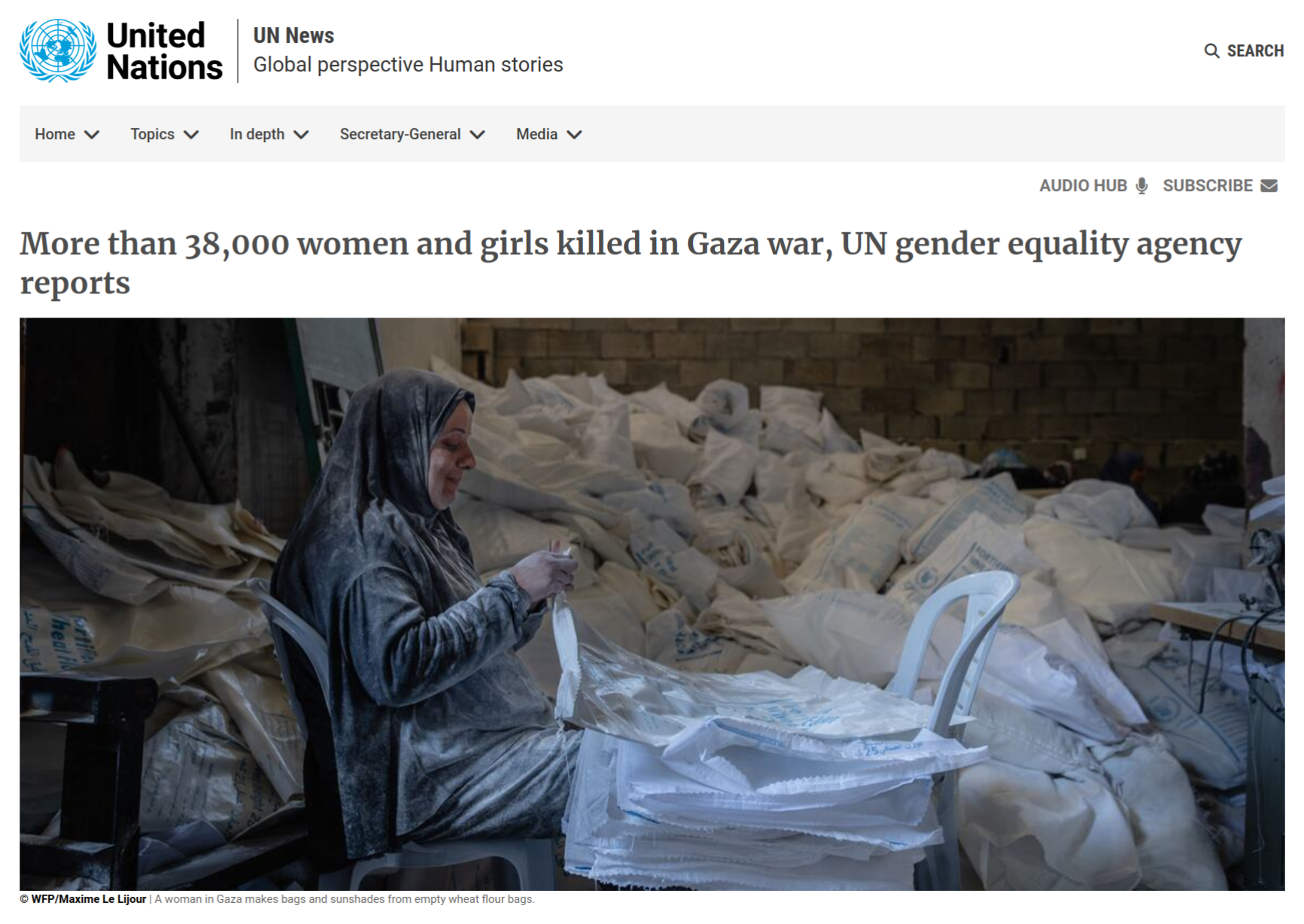] .references[[April 17th, 2026](https://news.un.org/en/story/2026/04/1167319)] --- count: false .center[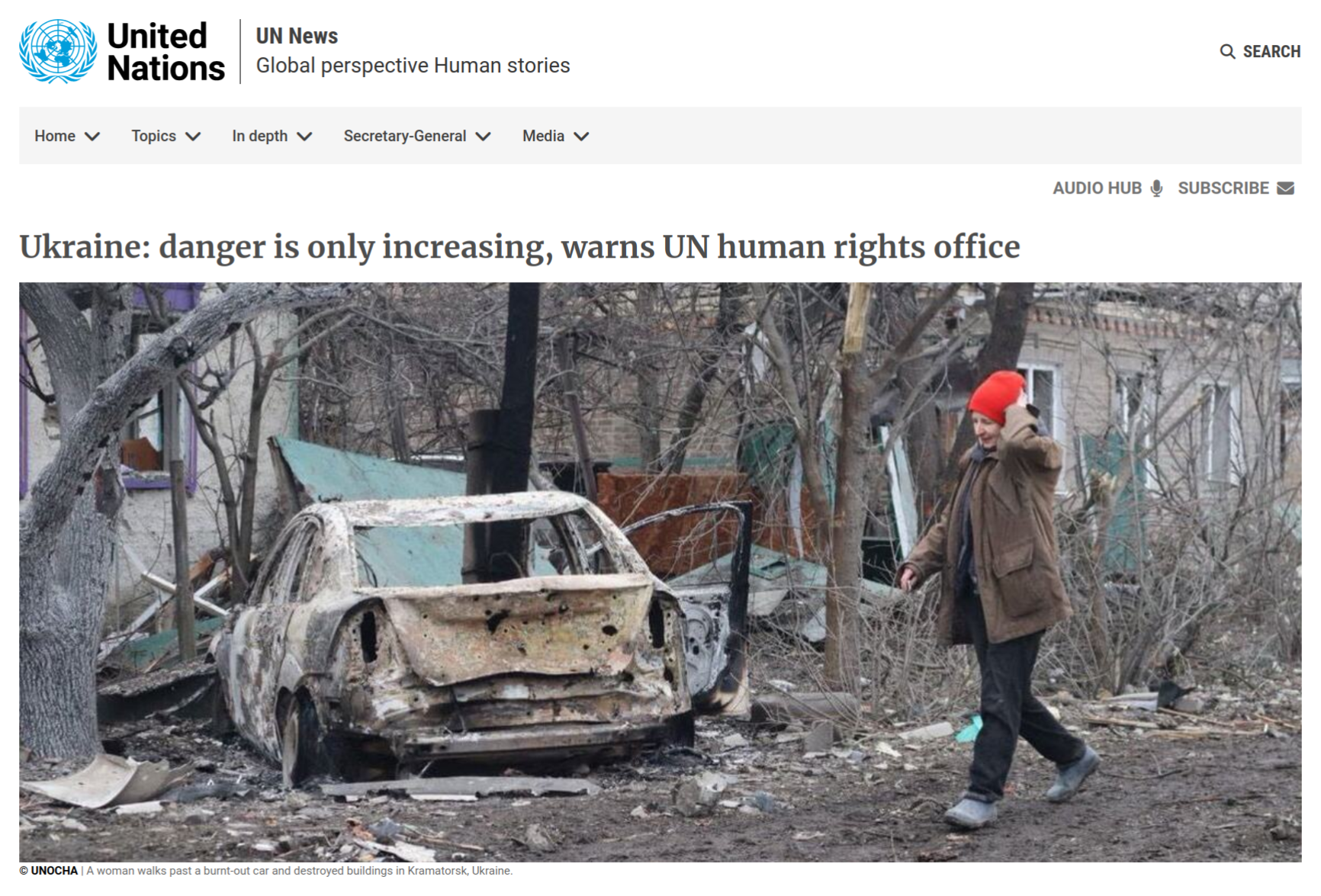] .references[[March 26th, 2026](https://news.un.org/en/story/2026/03/1167201)] --- count: false .center[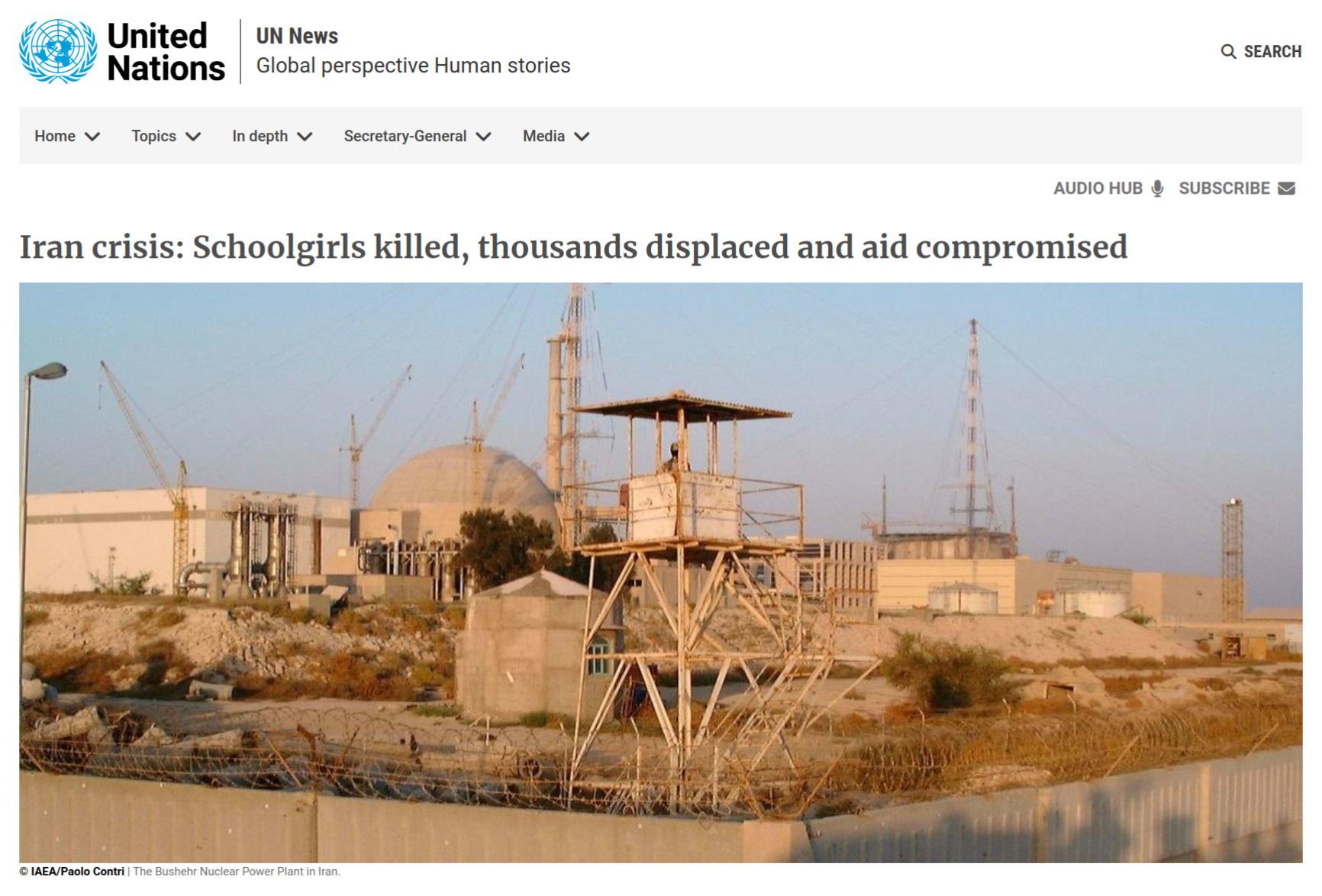] .references[[March 3rd, 2026](https://news.un.org/en/story/2026/03/1167071)] --- count: false .center[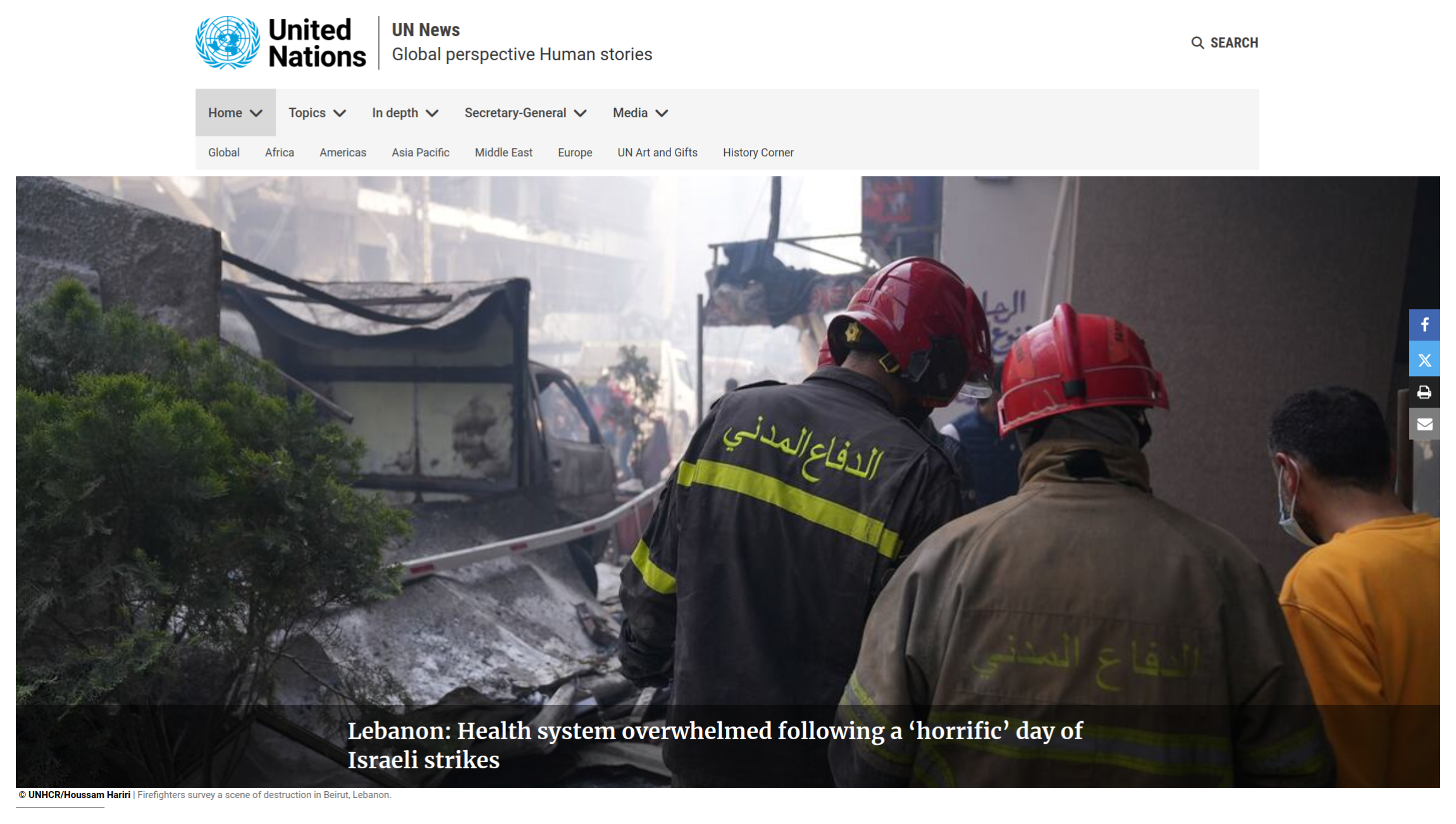] .references[[April 9th, 2026](https://news.un.org/en/story/2026/04/1167276)] --- ## Context ### Expanding military expenditure .center[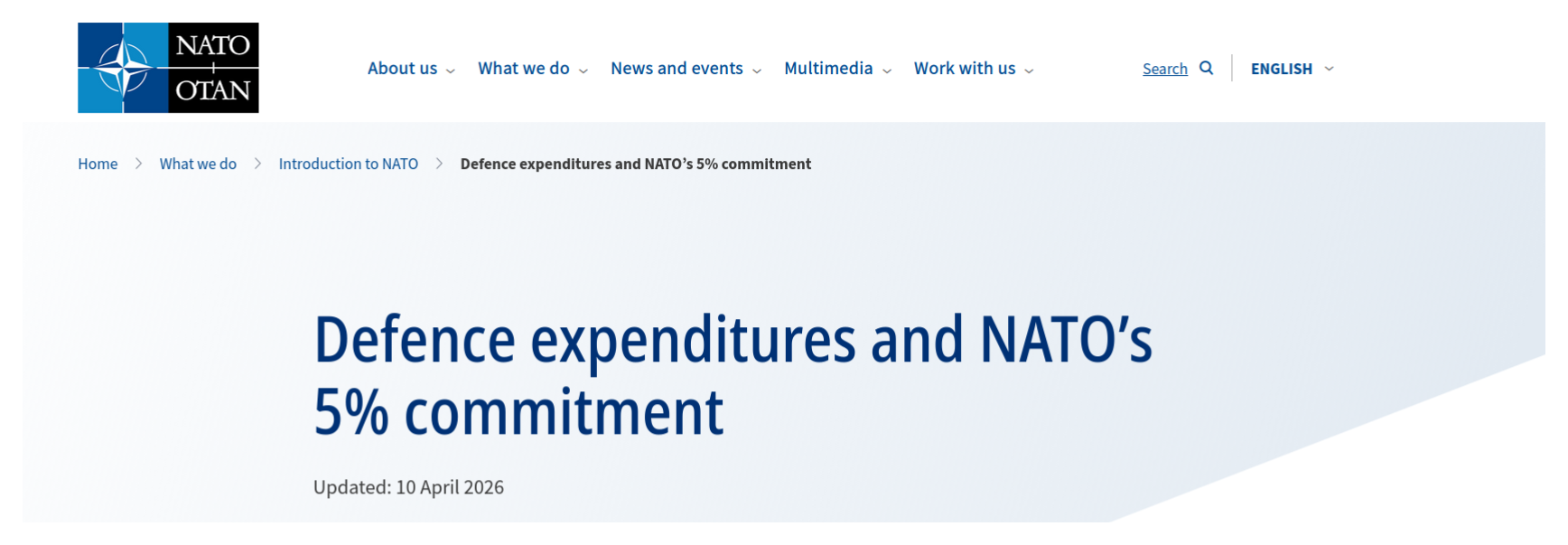] .references[[Defence expenditures and NATO’s 5% commitment](https://www.nato.int/en/what-we-do/introduction-to-nato/defence-expenditures-and-natos-5-commitment)] --- ## Context ### Expanding revenues of military companies .center[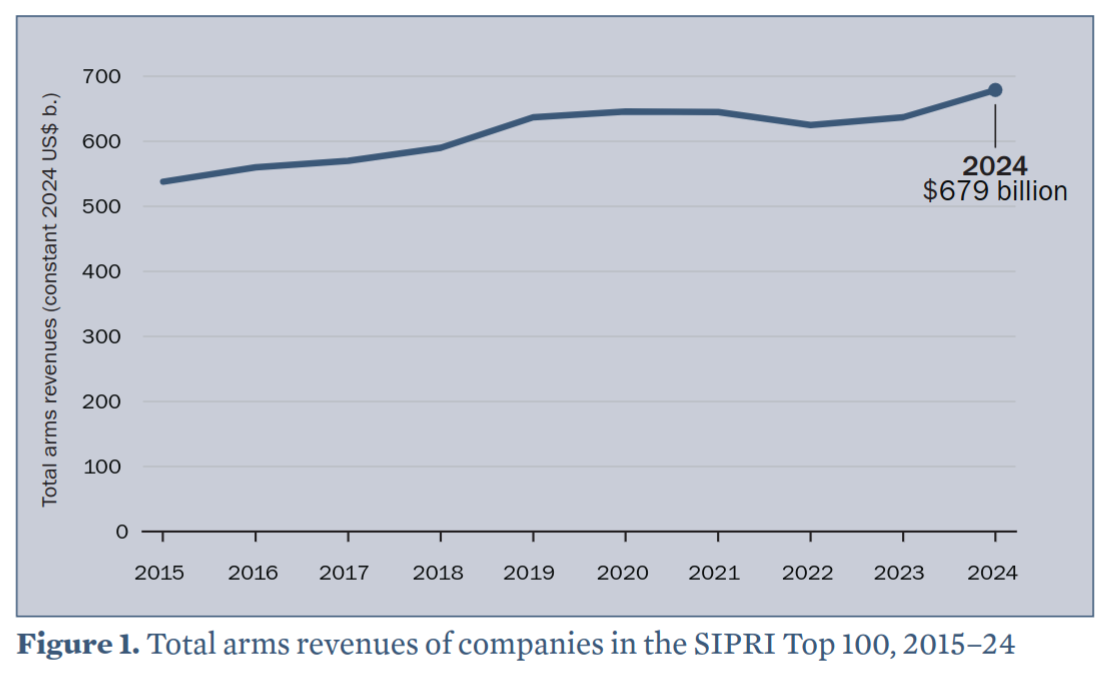] .references[ - [The SIPRI Top 100 Arms-producing and Military Services Companies, 2024](https://www.sipri.org/publications/2025/sipri-fact-sheets/sipri-top-100-arms-producing-and-military-services-companies-2024), SIPRI, 2025. - [Top global arms producers’ revenues surge as major wars rage: SIPRI report](https://www.aljazeera.com/news/2025/11/30/top-global-arms-producers-revenues-surged-as-major-wars-rage-sipri-report), Al Jazeera, 2025. ] --- name: title class: title, middle ## Context ### Artificial intelligence is increasingly used in warfare --- ## Surveillance technology .center[] .references[Kalluri et al., [Computer-vision research powers surveillance technology](https://www.nature.com/articles/s41586-025-08972-6). Nature, 2025.] --- count: false ## Surveillance technology .center[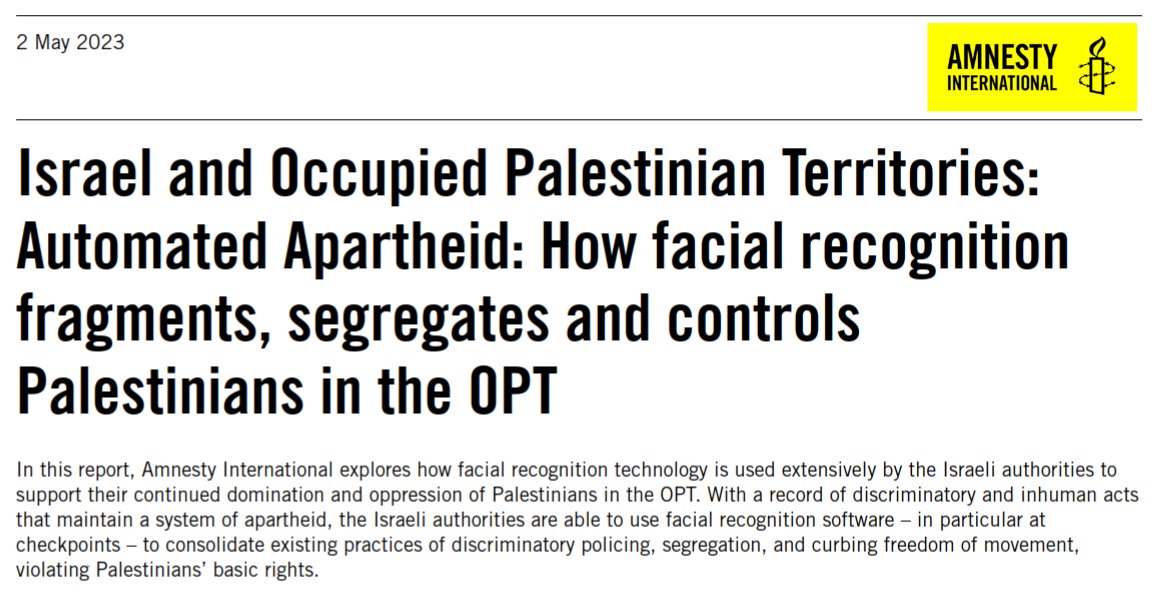] .references[[Israel and Occupied Palestinian Territories: Automated Apartheid: How facial recognition fragments, segregates and controls Palestinians in the OPT](https://www.amnesty.org/en/documents/mde15/6701/2023/en/). Amnesty International, 2023.] --- ## Killer drones .center[] .references[Yasmin Astrid Bonea. [Algorithms of war: AI, drones and the challenge to international humanitarian law in the Russia-Ukraine war](lup.lub.lu.se/luur/download?func=downloadFile&recordOId=9196688). Faculty of Law, Lund University, 2025.] --- count: false ## Killer drones .center[] --- ## Targeting systems .center[] .references[Yuval Abraham. [‘Lavender’: The AI machine directing Israel’s bombing spree in Gaza](https://www.972mag.com/lavender-ai-israeli-army-gaza/). +972 Magazine, 2024] --- name: title class: title, middle ## As AI researchers ### How does our work contribute to the development of autonomous weapons and military AI? --- name: title class: title, middle ## The implicated subject ### A framework to analyse positions of implication, beyond victims and perpetrators  --- ## The implicated subject ### Beyond victims and perpetrators .left-column[ .center[<img src="../assets/images/slides/implicated-subject/perpetrator.png" width="60%">] .center[Perpetrator] ] .right-column[ .center[<img src="../assets/images/slides/implicated-subject/victim.png" width="70%">] .center[Victim] ] --- ## The implicated subject ### Beyond victims and perpetrators .references[Michael Rothberg. [The Implicated Subject: Beyond Victims and Perpetrators](https://www.sup.org/books/literary-studies-and-literature/implicated-subject). Stanford University Press, 2019] > _.h1[An implicated subject is neither a victim nor a perpetrator, but rather a participant in histories and social formations that generate the positions of victim and perpetrator], and yet in which most people do not occupy such clear-cut roles. Less "actively" involved than perpetrators, implicated subjects do not fit the mold of the "passive" bystander, either._ -- > _.h1[Implicated subjects occupy positions aligned with power and privilege] without being themselves direct agents of harm; they contribute to, inhabit, inherit or benefit from regimes of domination but do not originate or control such regimes. [...] .h1[Although indirect or belated, their actions and inactions help produce and reproduce the positions of victims and perpetrators]._ -- - The implicated position is not defining of one’s identity - Implication does not suggest a sentiment of blame or guilt. - A position of implication invites an attentive reflection on individual contributions to the system of oppression and available leverages for its transformation. --- ## The implicated subject ### Beyond victims and perpetrators .columns-3-left[ .center[<img src="../assets/images/slides/implicated-subject/perpetrator.png" width="85%">] .center[Perpetrator] ] .columns-3-right[ .center[<img src="../assets/images/slides/implicated-subject/victim.png" width="95%">] .center[Victim] ] -- .columns-3-center[ .center[<img src="../assets/images/slides/implicated-subject/implicated_ai_scientist.png" width="85%">] .center[Implicated AI researcher] ] --- name: title class: title, middle ## Implication of AI researchers in the military --- ## Historical perspective - Since the 1960s, the artificial intelligence field has been receiving significant funding from the United States Department of Defense. - This close relationship deeply affected core aspects of the AI research epistemology and methodology: - The notion of "intelligence" operationalised in AI research is about solving abstract puzzles. - The focus is on accumulating knowledge, dominance and control. .references[Yarden Katz. [Artificial whiteness: Politics and ideology in artificial intelligence](https://cup.columbia.edu/book/artificial-whiteness/9780231194914/). Columbia University Press, 2020.] --- ## Historical perspective .left-column[ - In the 1980s, the concept of "dual use" was developed in the U.S. as a strategy for managing and expanding military innovation. - The .h1[dual system of innovation] is a strategy of cooperation between civilian and military agents to share knowledge, expertise and talent. ] .right-column[ .center[<img src="../assets/images/slides/implicated-subject/dual_system_innovation.png" width="95%">] ] .references[ - Lucas Maaser and Stephanie Verlaan. [Big tech goes to war: Uncovering the growing role of US and European technology firms in the military–industrial complex](https://www.rosalux.de/en/publication/id/49560/big-tech-goes-to-war). Studien, 2022. - François-Xavier Meunier. Construction of an operational concept of technological military/civilian duality. Journal of Innovation Economics & Management, 2019. ] --- ## Military funding ### _Basic research, lethal effects_ .references[David Gray Widder et al. [Basic research, lethal effects: Military AI research funding as enlistment](https://arxiv.org/abs/2411.17840). arXiv:2411.17840, 2024.] - An analysis of grant solicitations between 2007 and 2023 from the U.S. Department of Defense (DoD) .cite[(Widder et al., 2024)] - Conclusion: military technology and AI research co-evolve in a synergistic way, described as "mutual enlistment". -- - The DoD uses the notion of .h1[basic research] to provide a .h1[moral shelter] for researchers. - However, "basic research" should still be aligned with DoD objectives: - "long-term relationships between university researchers and the DoD" - training students "for the defense workforce" --- ## Military funding ### Currently expanding .left-column[ - U.S. DoD: 269 M USD in 2022 to 4,323 M USD in 2023 (16x) - Canada plans to increase “defence-related research and development” by 85 %, with AI as a key sector. - Europe and its member states are also increasing their military research budgets, and developing specific AI strategies. ] .right-column[ .center[<img src="../assets/images/slides/implicated-subject/military_funding.png" width="95%">] ] .references[Will Henshall, [The U.S. Military's Investments Into Artificial Intelligence Are Skyrocketing](https://time.com/6961317/ai-artificial-intelligence-us-military-spending/), TIME, 2026.] --- ## Industry involvement .center[<img src="../assets/images/slides/implicated-subject/chart_ai_weapons_state.png" width="95%">] - Many would argue that the link between AI research and weapons manufacturers is rather weak. - However, this link is not negligible. Examples: - Directors of Helsing (killer drones) are former AI academics and still publish at AI conferences. - Weapons manufacturers have partnerships with computer science departments. --- ## Industry involvement ### The role of big tech .references[Lucas Maaser and Stephanie Verlaan. [Big tech goes to war: Uncovering the growing role of US and European technology firms in the military–industrial complex](https://www.rosalux.de/en/publication/id/49560/big-tech-goes-to-war). Studien, 2022.] .center[<img src="../assets/images/slides/implicated-subject/google_lockheed.png" width="95%">] --- count: false ## Industry involvement ### The role of big tech .references[Lucas Maaser and Stephanie Verlaan. [Big tech goes to war: Uncovering the growing role of US and European technology firms in the military–industrial complex](https://www.rosalux.de/en/publication/id/49560/big-tech-goes-to-war). Studien, 2022.] .center[<img src="../assets/images/slides/implicated-subject/microsoft_lockheed.png" width="95%">] --- count: false ## Industry involvement ### The role of big tech .references[Lucas Maaser and Stephanie Verlaan. [Big tech goes to war: Uncovering the growing role of US and European technology firms in the military–industrial complex](https://www.rosalux.de/en/publication/id/49560/big-tech-goes-to-war). Studien, 2022.] .center[<img src="../assets/images/slides/implicated-subject/openai_defense.png" width="95%">] --- count: false ## Industry involvement ### The role of big tech .center[<img src="../assets/images/slides/implicated-subject/sponsors_iclr.png" width="85%">] --- ## Industry involvement ### The role of big tech .center[<img src="../assets/images/slides/implicated-subject/chart_ai_weapons_state.png" width="95%">] --- count: false ## Industry involvement ### The role of big tech .center[<img src="../assets/images/slides/implicated-subject/chart_ai_bigtech_weapons_state.png" width="95%">] - Big tech companies have a strong influence in AI research and development. - Big tech companies have strong ties with the military industrial complex. - Big tech serves as the interface between AI research and weapons companies. .references[[Irresponsible AI: big tech’s influence on AI research and associated impacts](https://arxiv.org/abs/2512.03077), Algorithmic Collective Action workshop, NeurIPS, 2025] --- .center[<img src="../assets/images/slides/implicated-subject/drawing_implication.png" width="60%">] --- count: false .center[<img src="../assets/images/slides/implicated-subject/drawing.png" width="60%">] --- name: title class: title, middle ## How to resist ### From implication to solidarity .center[<img src="../assets/images/slides/implicated-subject/drawing.png" width="30%">] --- ## How to resist ### From implication to solidarity - Implicated subjects are embedded in the oppressive system. - They collectively support the system and enable its harms. -- - Therefore, they also have a potential to transform the system! - By acting differently individually and collectively. --- ## Challenge epistemic assumptions - Feminist and decolonial scholars suggest adopting .h1[alternative notions of intelligence] and embracing a .h1[diversity of forms of the situated knowledge], “produced by specific people in specific circumstances - cultural, historical, and geographic” - These ideas lead to methodologies which prioritise: - Data sovereignty - Participatory design - Social relations - Ethical labour - Situated narrowly-scoped technologies .references[Catherine D’Ignazio and Lauren F Klein. [Data feminism](https://data-feminism.mitpress.mit.edu/). MIT press, 2023] --- ## Develop critical approaches .context[Structural transformations happen in non-linear ways.] We can start by combating the ignorance and denial of our implication: within ourselves, our institutions and our research field (what we are doing today in this workshop!): - .h1[(Self-)educate in critical theory and thinking]: to fill the gaps of the STEM curriculum. - .h1[Create spaces for critical discussions] at universities, workplaces, and conferences: to raise awareness and strengthen the community. - .h1[Scrutinise power and values] behind AI research: to gain insight into effective strategies and targets for transformative action. --- ## Refuse military collaborations - When possible: pursue more ethical funding sources, such as government funding for civilian science, professional societies grants, trustworthy philanthropic foundations, industry partnerships with an ethical mission, and citizen science crowdfunding -- - When _not_ possible: put increased effort into the critical evaluation of one’s own research, its contribution to the military agendas and possible ways to sabotage them through collective direct action. --- ## Build coalitions for direct action .center[<img src="../assets/images/slides/implicated-subject/science_for_the_people.png" width="80%">] --- count: false ## Build coalitions for direct action .center[<img src="../assets/images/slides/implicated-subject/stop_killer_robots.jpg" width="60%">] --- count: false ## Build coalitions for direct action .center[<img src="../assets/images/slides/implicated-subject/reaching_critical_will.png" width="90%">] --- count: false ## Build coalitions for direct action .center[<img src="../assets/images/slides/implicated-subject/no_tech_for_apartheid.jpg" width="60%">] --- ## Embrace complexity - .h1[Everyone’s position of implication is uniquely complex] - Our context is constantly evolving - We exist within the interlocking histories and actualities of opression -- - Collective resistance cannot be distilled into a list of unified recommendations uniformly applicable to everyone. - Each of us has to put effort into a critical evaluation of our own context and available leverages for contributing to systemic transformation. -- .conclusion[We find value-based honest critical thinking to be the most helpful in guiding personal decisions for specific solidarity strategies.] --- name: title class: title, middle .center[] --- ## Conclusions - The implicated subject framework allows to analyse the implication of AI researchers in the development of weapons systems - The artificial intelligence field has been part of the military industrial complex since its inception - As implicated scientists we can turn our implication into solidarity .center[<img src="../assets/images/slides/implicated-subject/drawing.png" width="35%">] --- .center[] .references[Museu do Amanhã (Museum of Tomorrow), Rio de Janeiro]